
Credit unions, class, race, and place in New York City

Marianna Pavlovskaya
Rob Eletto

Using diverse economies and relational poverty insights, we examine the place-making practices of the cooperatively owned and democratically structured financial institutions – credit unions. In the U.S., they represent the rarely recognized but widely spread local banking systems that prioritize interests of communities over profit-maximization for outside investors. Their mission to a large degree aligns with anti-poverty and anti-racist social justice struggles and with the ethics of “solidarity” economy, a growing international movement.
The place of common bond: Can credit unions make place for solidarity economy?

Marianna Pavlovskaya
Craig Borowiak
Maliha Safri
Stephen Healy
Robert Eletto
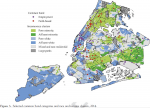
Geography of credit unions with different type of common bond (community) in New York City

About 6,000 financial cooperatives, called credit unions, with more than 103 million members manage over $1 trillion in collective assets in the United States but are largely invisible and seen as inferior to private banks. In contrast to banks that generate profit for outside investors and do not give voice to customers, these not-for-profit institutions have a democratic governance structure and a mission to provide good services to their members.